
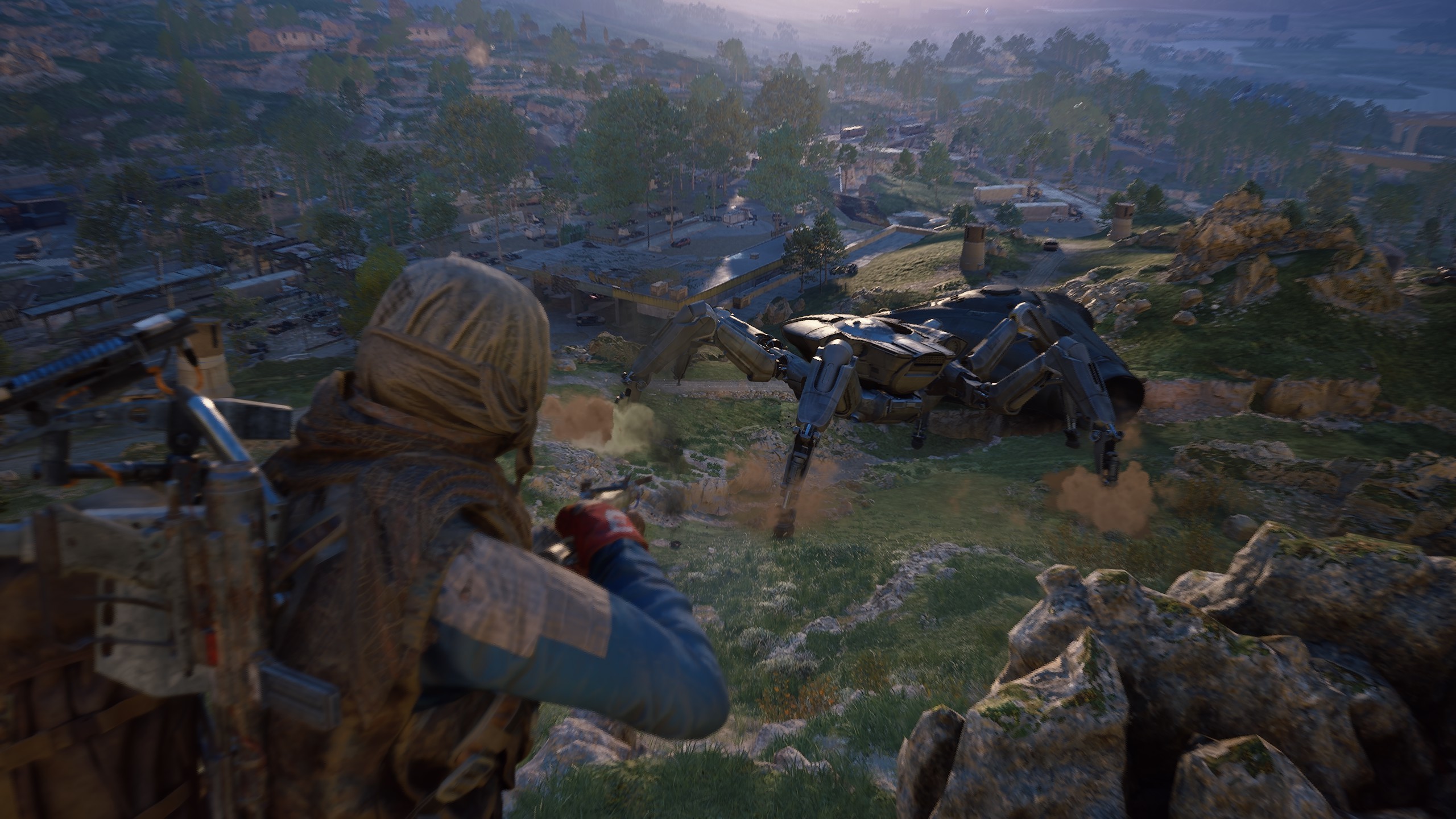
Effective duo synergy in Arc Raiders presents a distinct progression path that operates independently from individual combat prowess. Rather than testing raw aiming skill or personal gear optimization, successful two-person teams emphasize coordinated roles, complementary loadouts, and seamless communication. For players invested in consistent wins, efficient objective completion, or simply enjoying a more strategic and reliable partnership, understanding and implementing simple duo roles forms a dependable and repeatable framework for achieving dominance in the Exclusion Zone.
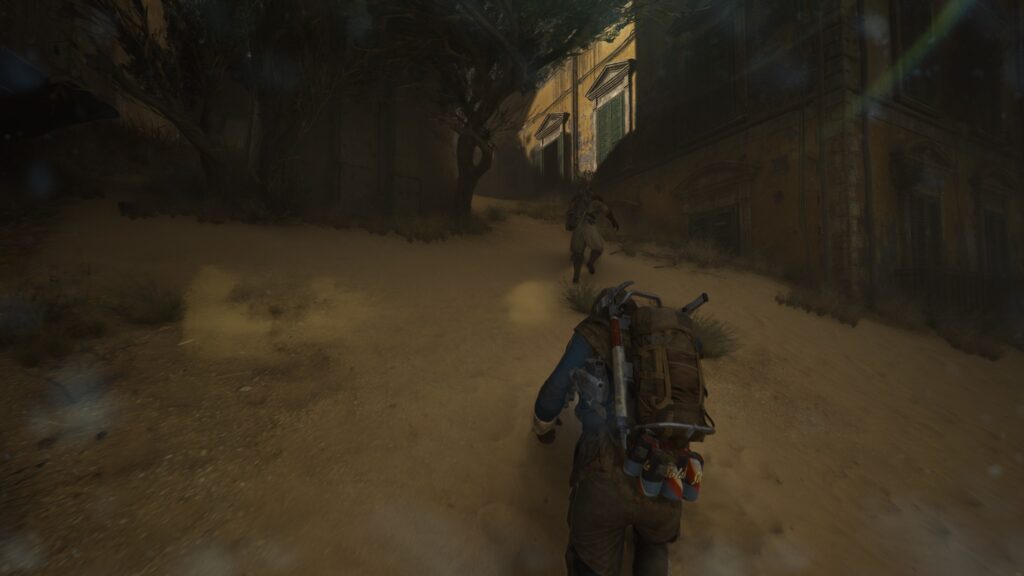
This comprehensive guide examines how to approach duo play efficiently, focusing on defining clear roles, optimizing loadouts for complementary abilities, developing streamlined communication protocols, and executing coordinated tactics that consistently outmaneuver and overpower solo players or less organized teams.
Understanding the Force Multiplier of Duo Synergy
Duo play in Arc Raiders transforms the dynamics of engagement. While enemy AI and map objectives still follow predictable patterns, having a reliable partner allows for tactical depth impossible for solo players and more agile than larger, slower squads. The force multiplier of a well-coordinated duo comes from the ability to cover weaknesses, capitalize on opportunities, and execute specialized tasks simultaneously. It rewards players who focus on interdependence and combined strategy rather than two individuals acting in parallel.
The structure of duo play encourages efficiency through specialized repetition. Mastery is achieved by minimizing redundant efforts, maximizing combined firepower and utility, and executing precise maneuvers, turning complex engagements into manageable, predictable victories.
Defining Core Duo Roles: The Spear and The Shield
The most effective duo strategies often revolve around clearly defined, complementary roles. This simplifies decision-making in chaotic moments and ensures all crucial tactical functions are covered. While adaptable, a foundational “Spear and Shield” dynamic provides immense versatility:
- **The Spear (Aggressor/Scout):**
- **Primary Function:** Initial engagement, pushing advantages, identifying targets, sustained damage, flanking.
- **Playstyle:** More aggressive, mobile, focuses on initiating fights or exploiting enemy weaknesses. Often takes point.
- **Ideal Loadout:** High DPS primary weapon (Assault Rifle, LMG, SMG), mobility-enhancing utility (jump jets, grapple), recon tools (scanner, drone), limited healing for self-sustain.
- **The Shield (Support/Anchor):**
- **Primary Function:** Area denial, crowd control, sustained fire, healing/reviving, providing cover, holding positions.
- **Playstyle:** More defensive, methodical, focuses on protecting the Spear, controlling engagement ranges, and ensuring survivability. Often covers the rear or flanks.
- **Ideal Loadout:** High-capacity primary weapon (LMG, Marksman Rifle) for suppressive fire, heavy explosives (grenade launcher, frag grenades), ample healing/revive items, defensive utility (deployable cover, smoke grenades), potentially a sniper rifle for long-range support.
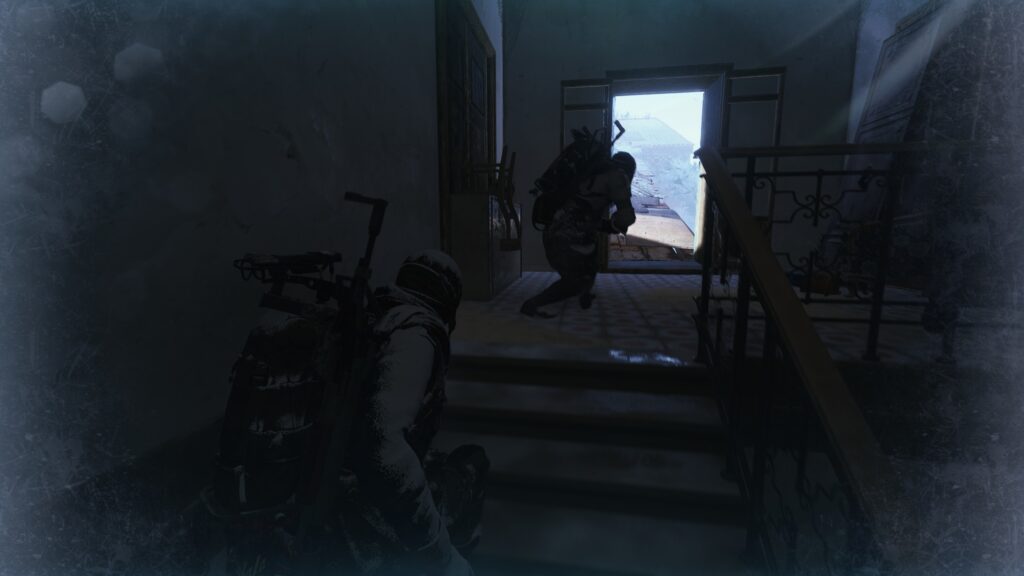
This division of labor ensures that while one player focuses on creating opportunities and dealing damage, the other is constantly working to maintain the team’s health, control the battle space, and secure flanks. This dynamic makes the duo much more resilient and lethal than the sum of its parts.
Optimized Loadout Synchronization for Duo Domination
Effective duo loadout planning goes beyond individual preferences; it’s about creating a harmonious toolkit that covers all tactical bases. Redundancy in critical areas (like healing) is good, but overlapping roles without unique utility is inefficient. Grouping gear by its intended function and ensuring all combat scenarios are addressed significantly increases the duo’s daily efficiency and survivability.
Optimized duo loadouts prioritize complementary weapon ranges, varied utility, and shared consumable responsibility. This approach reduces tactical gaps and allows the team to tackle a wider range of threats and objectives within a constrained time window. Key elements of synchronized loadouts include:
- **Weapon Range Variety:** The Spear might run close-to-mid range (SMG/AR), while the Shield opts for mid-to-long range (LMG/DMR) for suppression or sniping. This allows engagement at multiple distances.
- **Explosive Diversity:** One player carries anti-personnel grenades, the other anti-armor or area-denial explosives.
- **Shared Healing/Support:** Both players should carry healing, but one might specialize in larger medkits/revives while the other carries quick-use stims. Ensure ample armor plates for both.
- **Utility Overlap & Specialization:** Both might have a general scanner, but one might carry a more advanced drone while the other opts for deployable cover.
- **Resource Management:** Designate who is responsible for carrying certain types of loot (e.g., Spear for offensive modules, Shield for heavy components) to avoid inventory clutter and ensure efficient extraction.
Streamlined Communication Protocols for Seamless Execution
Even the best roles and loadouts are useless without crystal-clear communication. Effective duo communication is concise, actionable, and constant. It’s about providing relevant information without overwhelming your partner.
- **Positional Callouts:** Constantly update your partner on your location relative to them (“I’m flanking left,” “Behind you,” “On my mark”). Use cardinal directions or in-game pings.
- **Target Prioritization:** Call out enemy types and perceived threat levels (“Heavy coming from the north!”, “Sniper on the ridge!”, “Player spotted at 200m!”).
- **Action Intentions:** Clearly state what you are about to do (“Pushing now,” “Falling back,” “Healing,” “Throwing smoke”). This prevents miscommunications and allows your partner to react.
- **Loot & Resource Callouts:** Inform your partner of valuable finds or if you need specific resources (“Legendary item here,” “Need more heavy ammo,” “Medical supplies for you”).
- **Simple, Concise Language:** Avoid rambling. Use short phrases and pre-agreed upon codewords for common situations.
- **Feedback Loop:** Acknowledge your partner’s calls (“Copy that,” “On it,” “Seen”). This confirms they’ve been heard and understood.
Practice these communication habits during low-stakes runs to build muscle memory for high-pressure situations.
Core Strategic Principles for Consistent Duo Victories
Winning more fights as a duo comes down to consistent application of synergistic tactics. It’s about leveraging your combined strengths and covering each other’s weaknesses.
- **Maintain Awareness of Each Other:** Always know where your partner is and what they are doing. Avoid splitting up unnecessarily.
- **Cross-Fire is Key:** Position yourselves to create overlapping fields of fire on enemies. This makes it harder for targets to find cover and increases combined DPS.
- **Trade Damage Intelligently:** If one player takes heavy damage, the other steps up to draw fire or provide cover for healing. Never let both players be exposed simultaneously.
- **Coordinated Pushes/Disengagements:** Decide together when to commit to a fight and when to retreat. The Spear initiates, the Shield provides cover; the Spear breaks line of sight, the Shield lays down suppressive fire.
- **Flanking and Pinching:** The Spear can draw attention while the Shield repositions for a flank, or vice-versa. This disorients and overwhelms enemies.
- **Objective Prioritization:** Agree on primary objectives and stick to them. One covers, one interacts with the objective.
- **Patience:** Don’t rush into every fight. Observe other teams, let them fight, then clean up the survivors or move around them.
Long-Term Duo Development and Adaptation
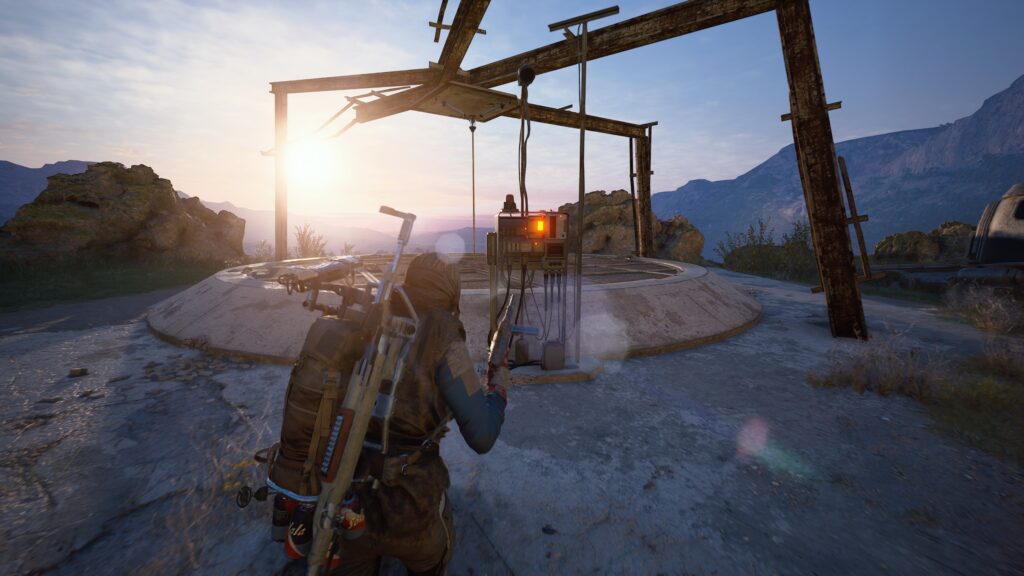
Success in Arc Raiders duos is not static; it evolves with new content, balance changes, and player skill. Maintaining a winning partnership requires continuous adaptation and refinement.
- **Post-Run Debriefs:** After each run (win or lose), quickly discuss what worked, what didn’t, and what could be improved.
- **Experiment with Roles:** While a core dynamic is good, be open to switching roles or adapting them based on new gear or meta shifts.
- **Watch Pro Duo Play:** Learn from high-level players. Analyze their positioning, communication, and decision-making.
- **Expand Your Tactical Playbook:** Don’t get stuck in one strategy. Develop multiple approaches for different scenarios (e.g., defensive holds, aggressive pushes, stealth extractions).
- **Consistency is King:** The more you play together, the more intuitive your synergy will become. Muscle memory for communication and coordination is invaluable.
Conclusion: Duo Synergy as the Path to Consistent Victory
Duo synergy in Arc Raiders rewards consistency, thoughtful preparation, and seamless teamwork rather than individual heroics. By establishing clear roles, optimizing complementary loadouts, mastering efficient communication, and applying coordinated tactics, two players can transform challenging encounters into consistently successful ventures.
When integrated into a broader routine, well-executed duo play becomes less of a random occurrence and more of a long-term mastery system, offering steady rewards, deep strategic satisfaction, and the undeniable advantage of facing the Exclusion Zone with a trusted partner by your side. A strong duo isn’t just two players; it’s a single, more formidable fighting unit.
Leave a Reply